




When it comes to modern work environments, the design of office spaces plays a crucial role in fostering productivity, creativity, and employee well-being. From minimalistic layouts that promote clarity and focus to biophilic elements that bring nature indoors, this article explores eight innovative ideas to transform your office into a hub of efficiency and comfort.
Whether you're looking to enhance collaboration, integrate cutting-edge technology, or prioritize ergonomic solutions, these insights will guide you in crafting a workspace that reflects your company's identity and supports the dynamic demands of modern work life.
1. Embracing Minimalism
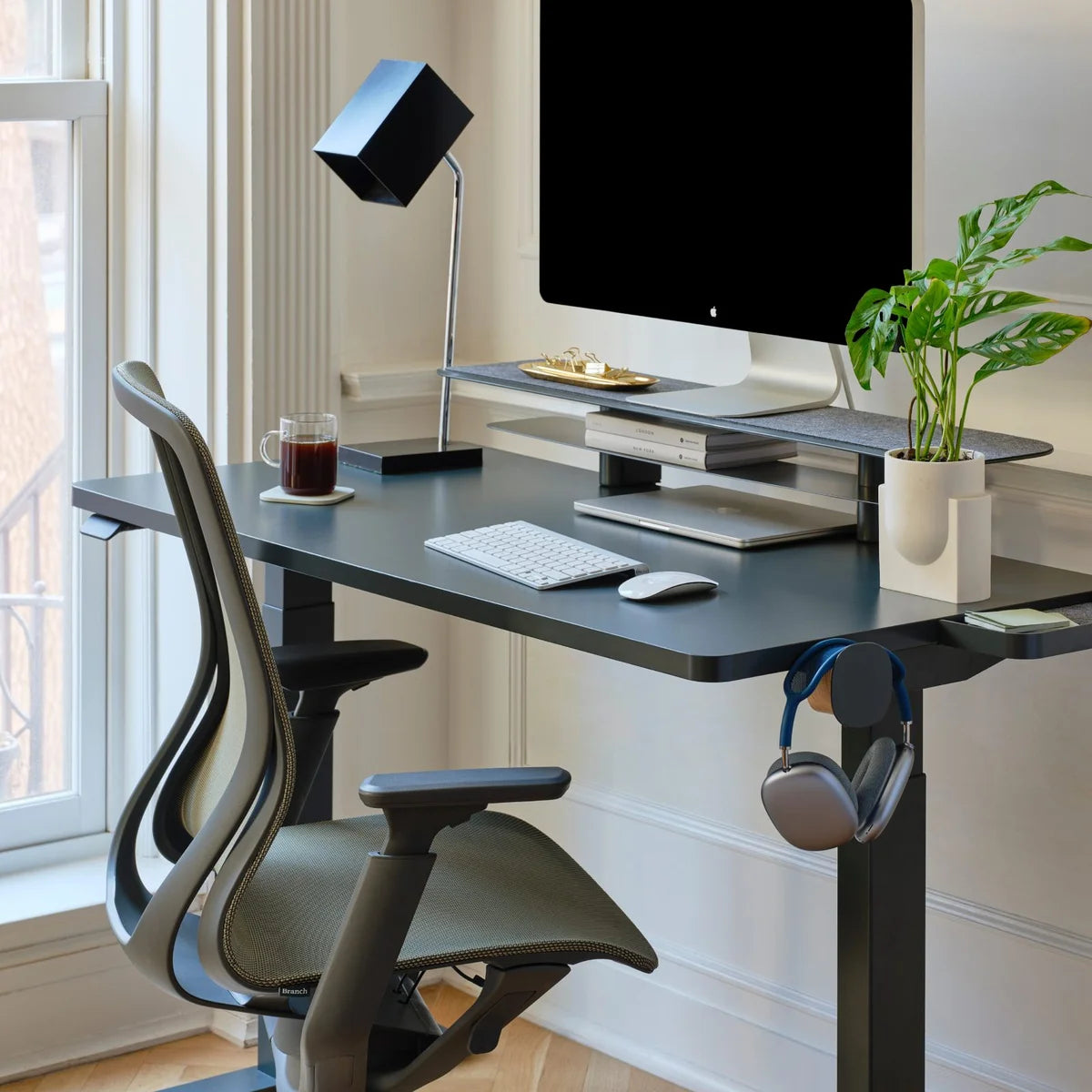
Minimalism in office design is a functional approach that enhances productivity and aesthetics. By focusing on simplicity and eliminating unnecessary clutter, a minimalist office creates a clean, organized environment that promotes clarity and focus.
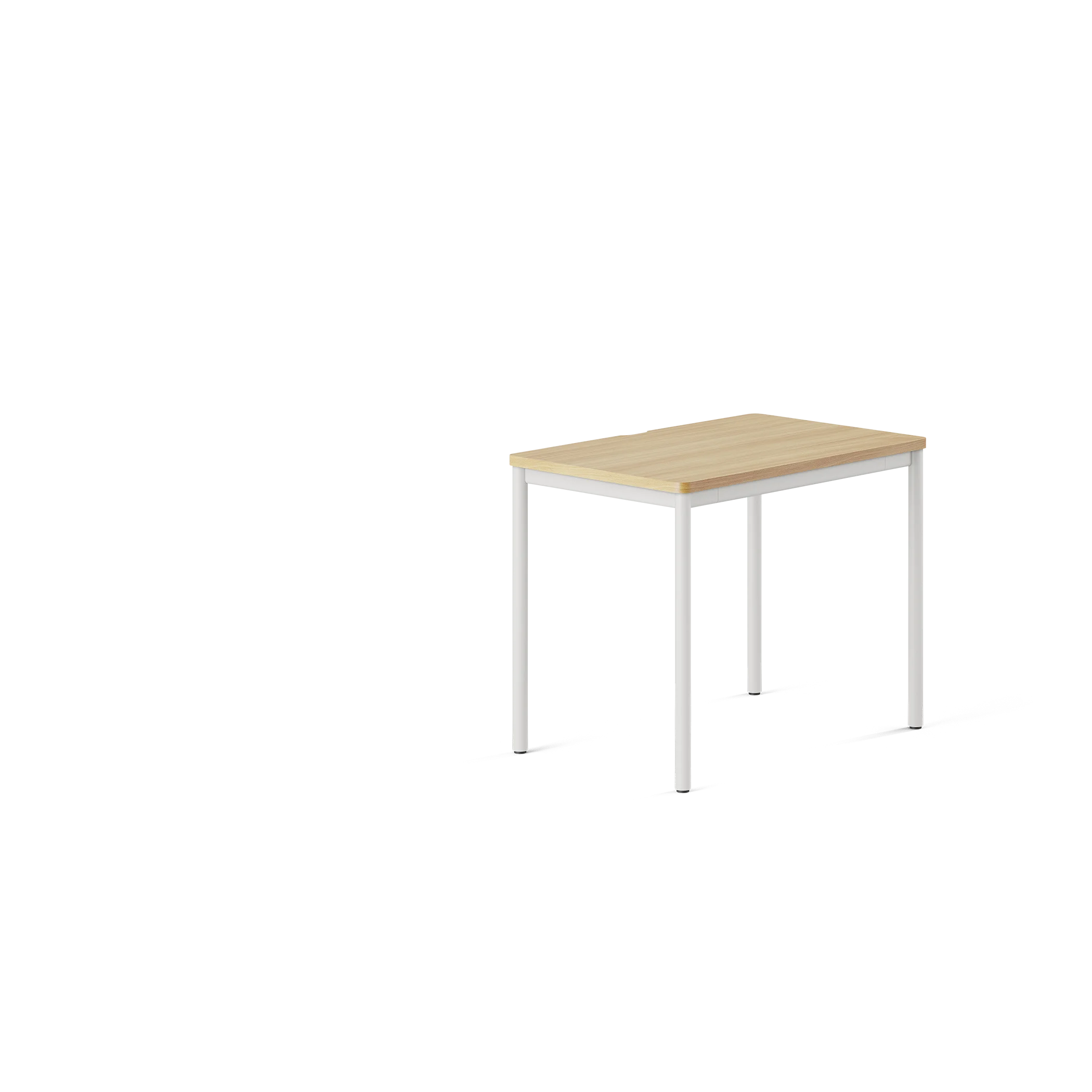
Start by selecting essential furniture pieces for multiple purposes, such as desks with built-in storage or modular seating that can be easily reconfigured. Opt for a neutral color palette with occasional pops of color to add visual interest without overwhelming the senses. This approach makes the space look larger and creates a calm atmosphere conducive to concentration.
Decluttering is key. Keep surfaces clear of unnecessary items and use smart storage solutions to keep everything tidy. Built-in cabinets, floating shelves, and hidden compartments can help maintain a streamlined appearance. Digital tools can also reduce paper clutter, keeping the workspace organized and efficient.
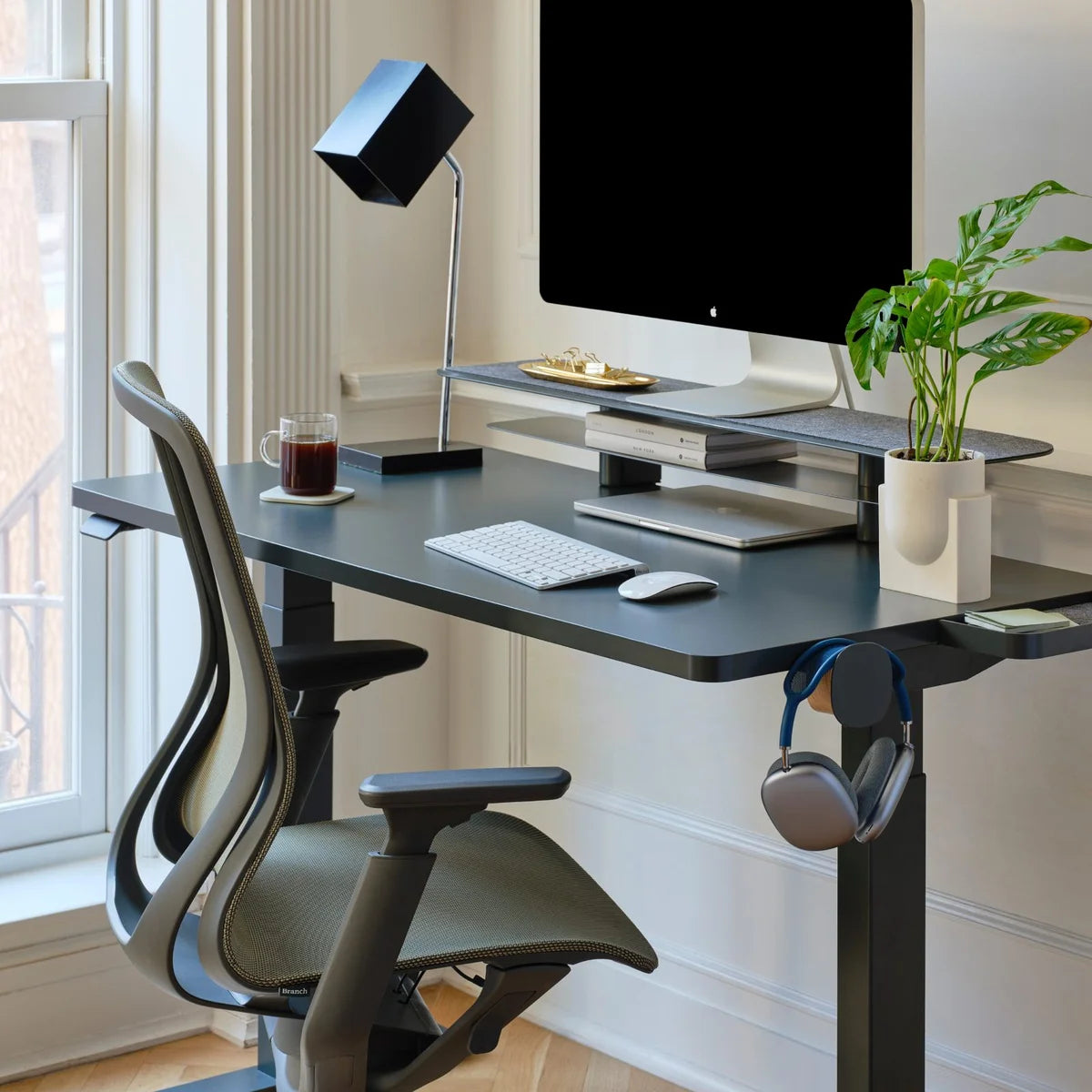
A minimalist design emphasizes quality over quantity. Invest in high-quality, ergonomic pieces that support health and comfort. Remember, minimalism also extends to technology; use wireless devices and manage cables efficiently to maintain a clean look.
2. Biophilic Design: Bringing Nature Indoors
Biophilic design integrates natural elements into office spaces to create a healthier and more inspiring work environment. This design philosophy emphasizes the connection between humans and nature, which has been shown to reduce stress, improve well-being, and boost productivity.
Greenery
Begin by putting plenty of greenery around the office. It sounds simple, but it’s been proven plants improve air quality and add a touch of tranquility to the office.
Consider placing potted plants on desks, hanging planters from the ceiling, or even installing a living wall. Choose low-maintenance plants like succulents, snake plants, or pothos to ensure they thrive in an office setting.
Natural Light
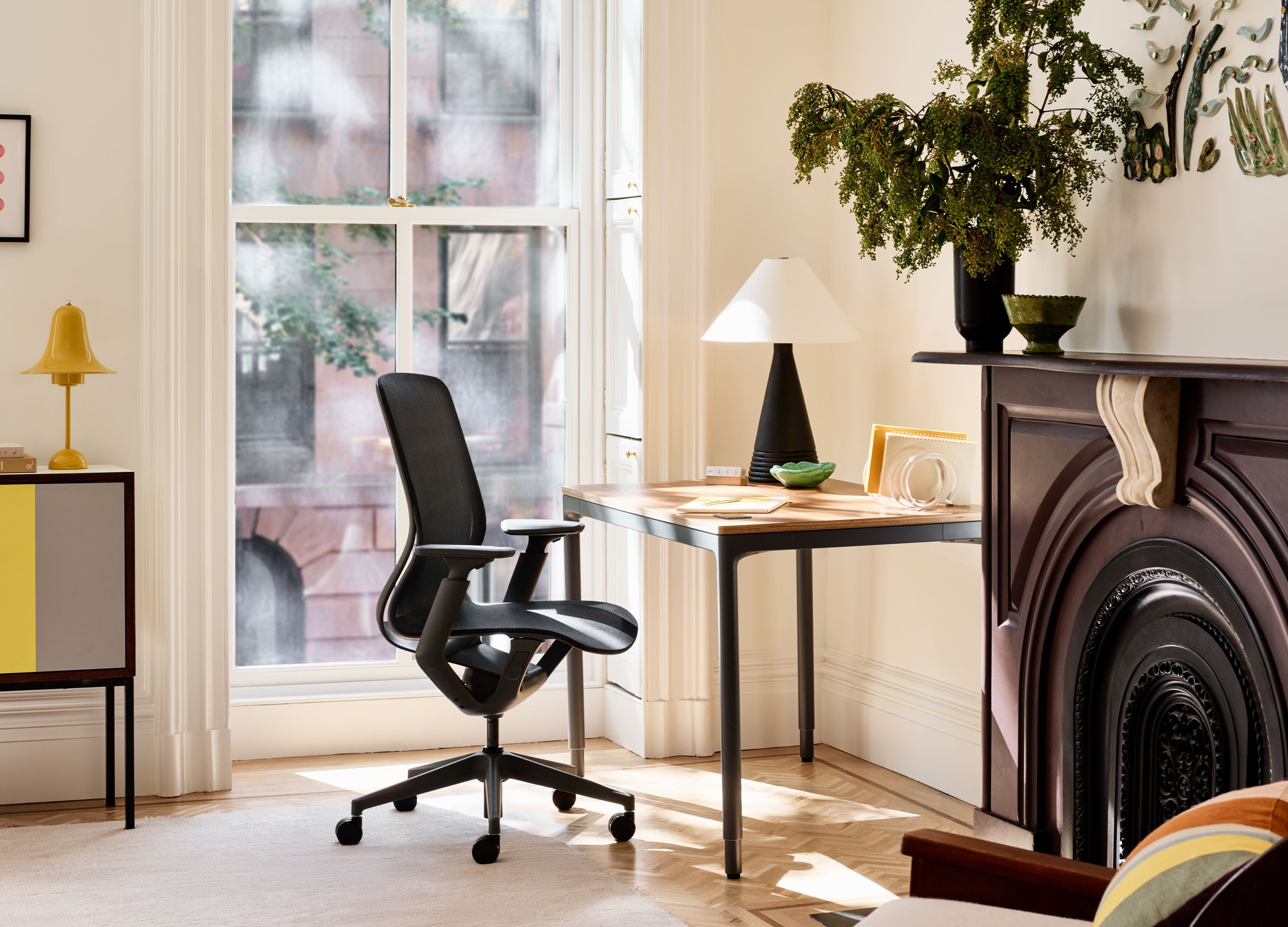
Natural light is another crucial element of biophilic design. Maximize natural light by using sheer window coverings, strategically placing mirrors, and choosing open-plan layouts that allow sunlight to penetrate deeper into the space. If natural light is limited, consider full-spectrum lighting options that mimic daylight.
Natural Materials
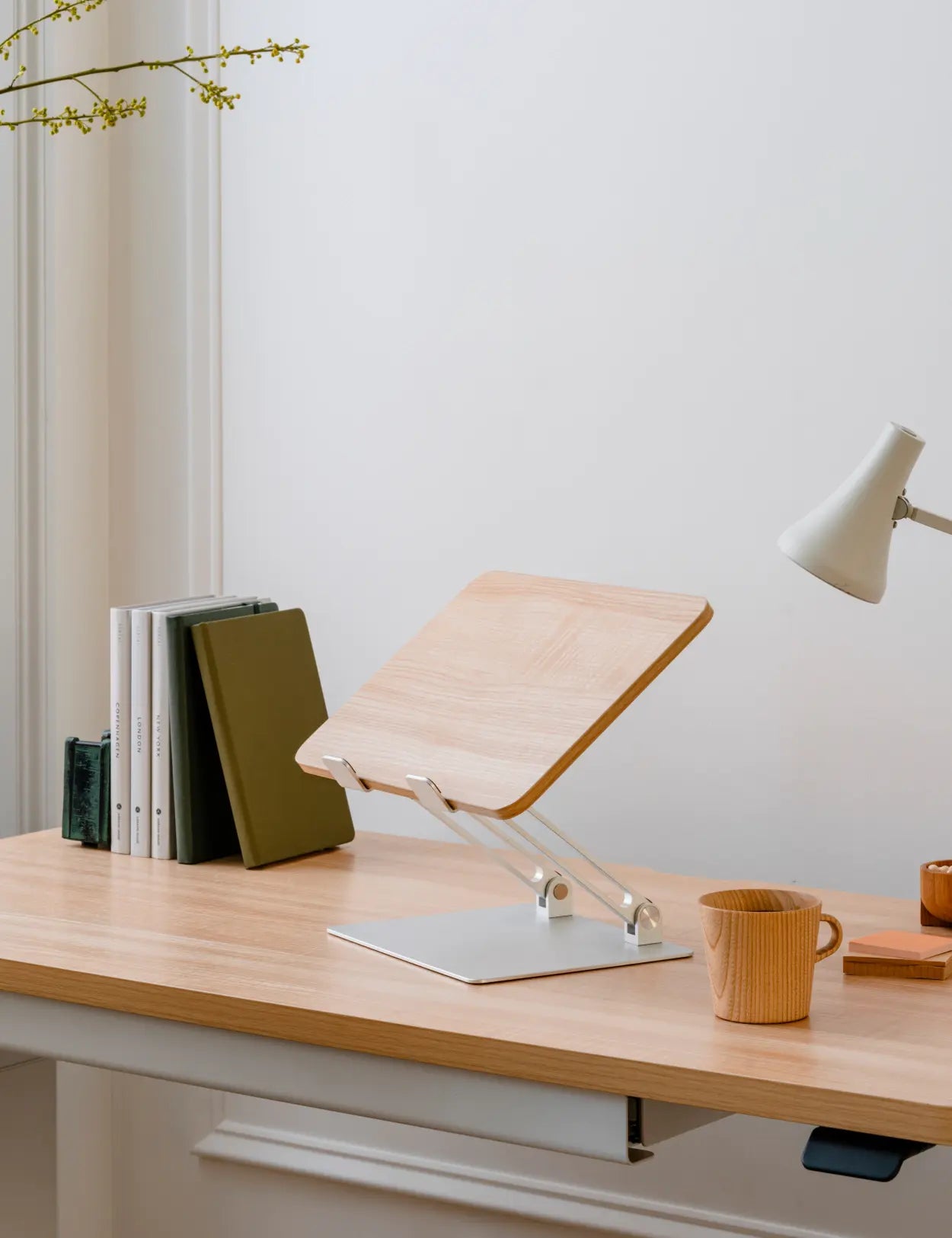
Incorporating natural materials such as wood, stone, and bamboo can further enhance the biophilic aesthetic. Use wooden desks, stone accents, and bamboo flooring to bring a sense of nature indoors. Even small touches, like a wooden pen holder or stone paperweights, can make a difference.
3. Flexible and Agile Workspaces
Flexible and agile workspaces are essential for accommodating the evolving needs of employees and contributing to a culture of collaboration and innovation. These adaptable spaces are designed to support various work styles and tasks, ensuring employees can work effectively and comfortably, whether individually or in teams.
Modular Furniture
Think about investing in modular furniture and collaborative desks that can be easily reconfigured to suit different activities. Desks on wheels, movable partitions, and stackable chairs allow quick and effortless adjustments, transforming a quiet solo work area into a collaborative meeting space in minutes.
Zoning
Consider creating different zones within the office to cater to various work functions. Quiet zones for focused work, collaborative areas for team projects, and relaxation spaces for breaks can all coexist within a flexible workspace. Providing a variety of settings empowers employees to choose the environment that best supports their current task.
4. Integrating Smart Technology
Incorporating smart technology into modern office design can help create a seamless, efficient, and innovative work environment. Smart technology enhances productivity and improves the overall employee experience by streamlining everyday tasks and promoting a more connected workplace.
Smart Lightning
Smart lighting systems that can adjust brightness and color temperature based on the time of day or occupancy can be a great initial addition to your workplace. These systems can reduce energy consumption while creating a more comfortable and productive atmosphere. For instance, bright, cool lighting can help maintain focus during work hours, while warmer tones can create a relaxed environment for breaks or after-hours work.
Smart Thermostats
Smart thermostats and HVAC systems are another important element. These devices can learn employee preferences and adjust temperature settings accordingly, leading to a comfortable environment with optimized energy use. Integrating these systems with occupancy sensors can further enhance efficiency by automatically adjusting settings when spaces are unoccupied.
Smart Meeting Tech
You can also consider equipping conference rooms with smart meeting technology. Interactive whiteboards, wireless presentation systems, and video conferencing tools can facilitate collaboration, whether team members are in the office or working remotely.
5. Creating Collaborative Spaces
Collaborative spaces are designed to bring employees together and encourage spontaneous discussions and brainstorming sessions that can lead to innovation.
Open Floor Plans
To make your office feel more conducive to teamwork, consider how you can incorporate open-plan areas with flexible seating arrangements into your space.
Use modular furniture, such as movable chairs and tables, which can be easily reconfigured to accommodate different group sizes and activities. This flexibility allows teams to adapt the space to their needs, whether for a quick huddle or an extended project meeting.
Informal Seating
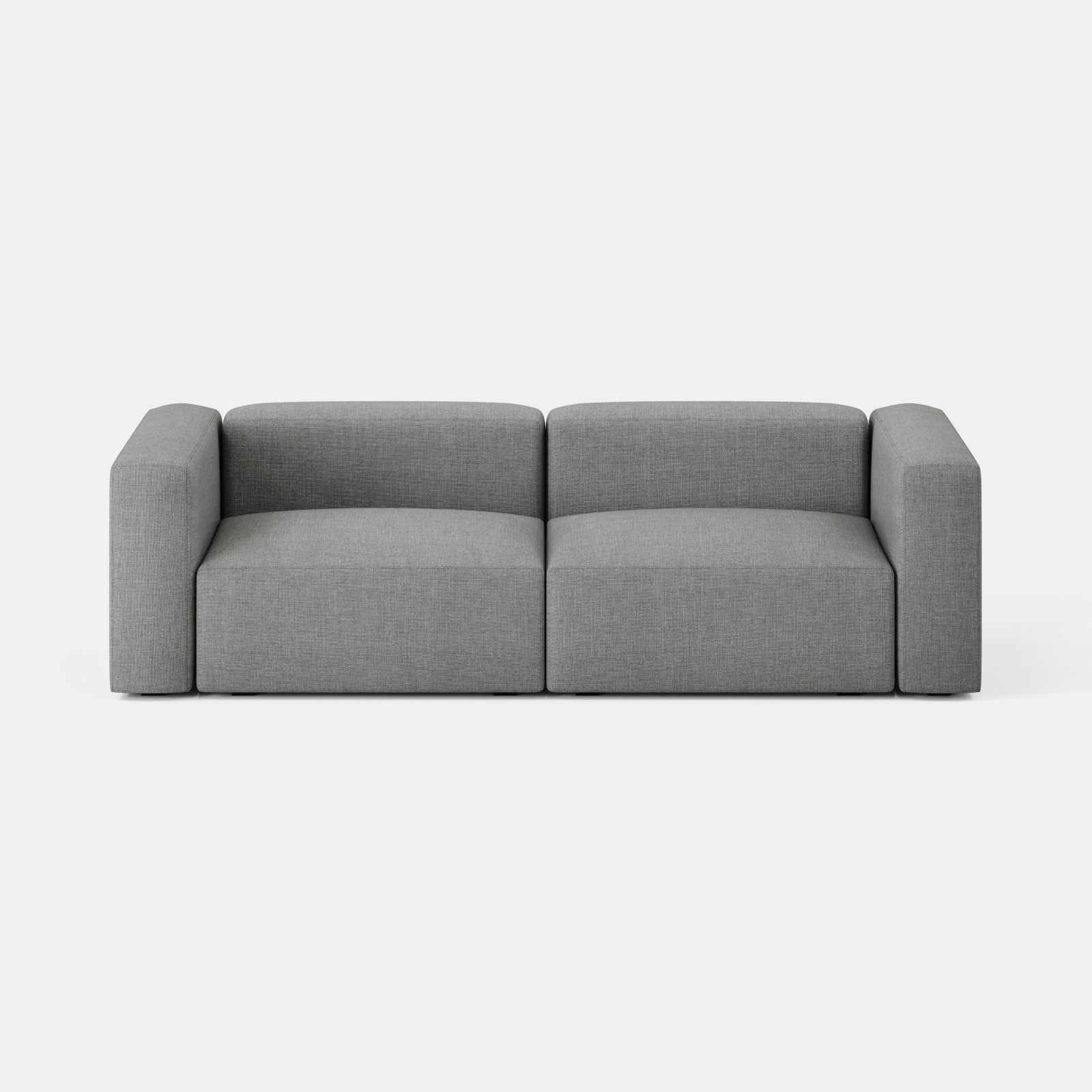
Include comfortable and informal seating options like sofas, lounge chairs, and bean bags. These relaxed settings can make employees feel more at ease and promote open communication and collaboration.
Writable Surfaces
Adding writable surfaces, such as whiteboards or glass walls, provides spaces for jotting down ideas and visualizing concepts during discussions.
6. Prioritizing Ergonomics and Well-Being
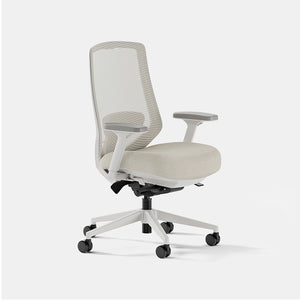
Prioritizing ergonomics and well-being in office design is also crucial for fostering a healthy, productive workforce. Ergonomic furniture, such as adjustable chairs and desks, helps combat common issues like back discomfort and repetitive strain injuries, ensuring employees can work comfortably throughout the day.
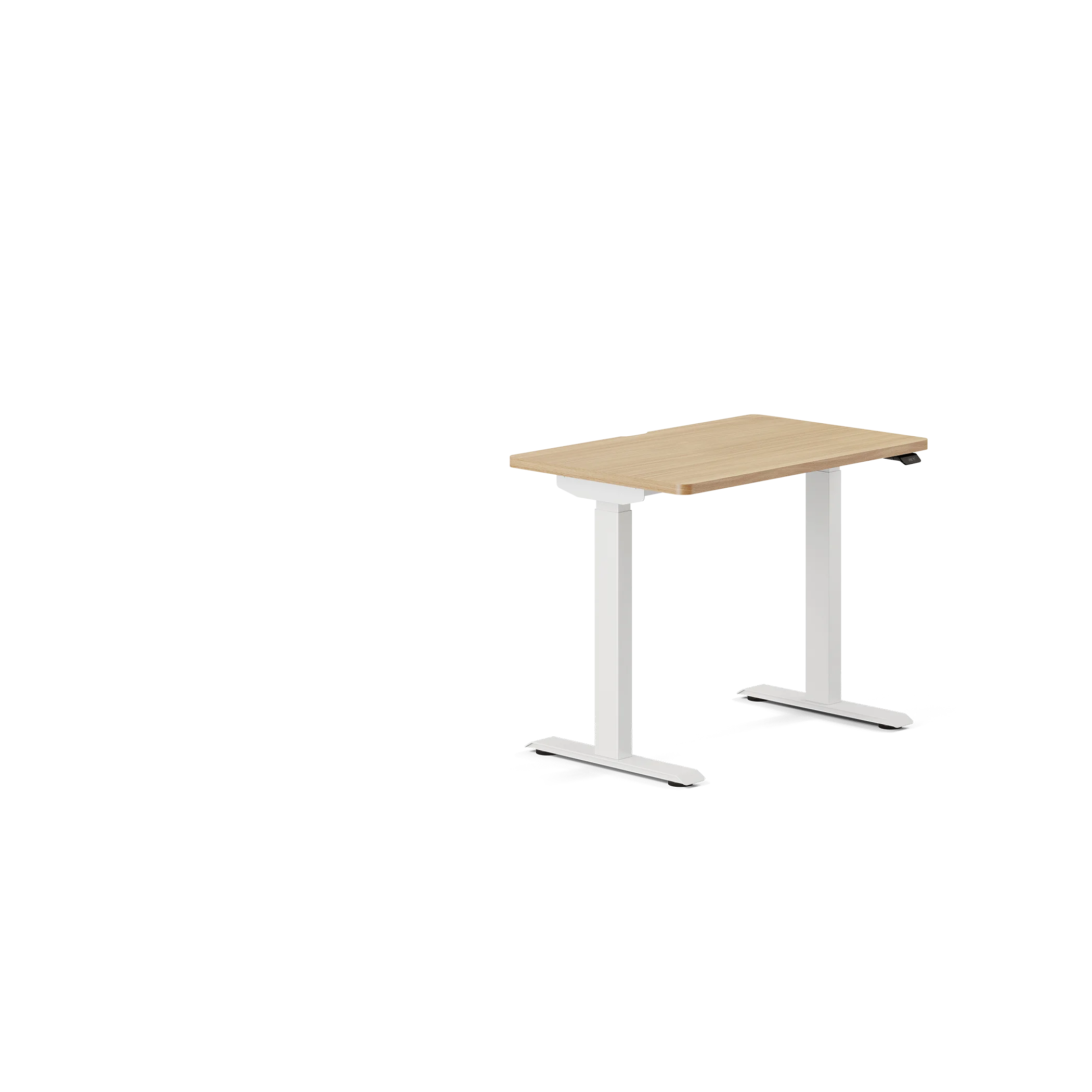
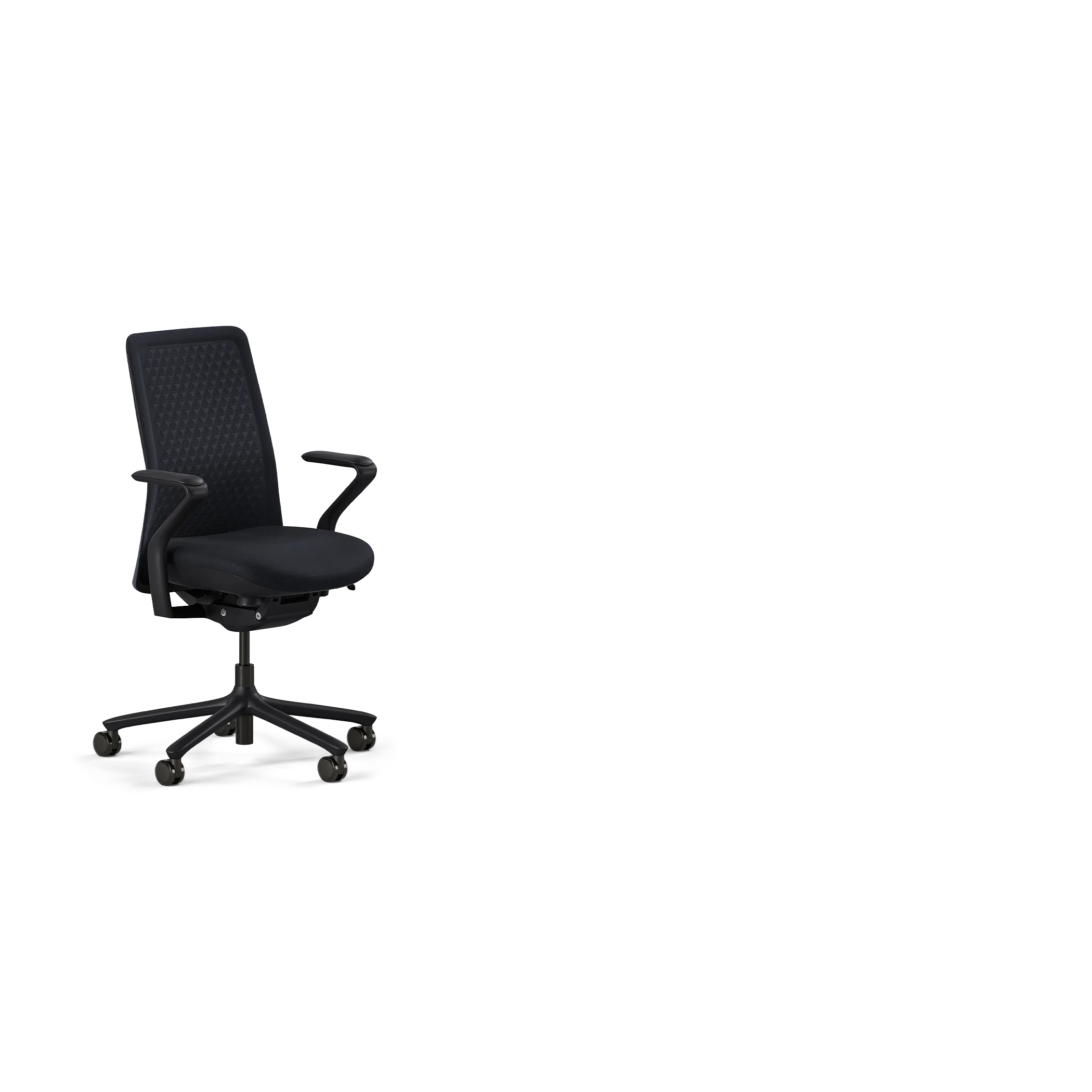
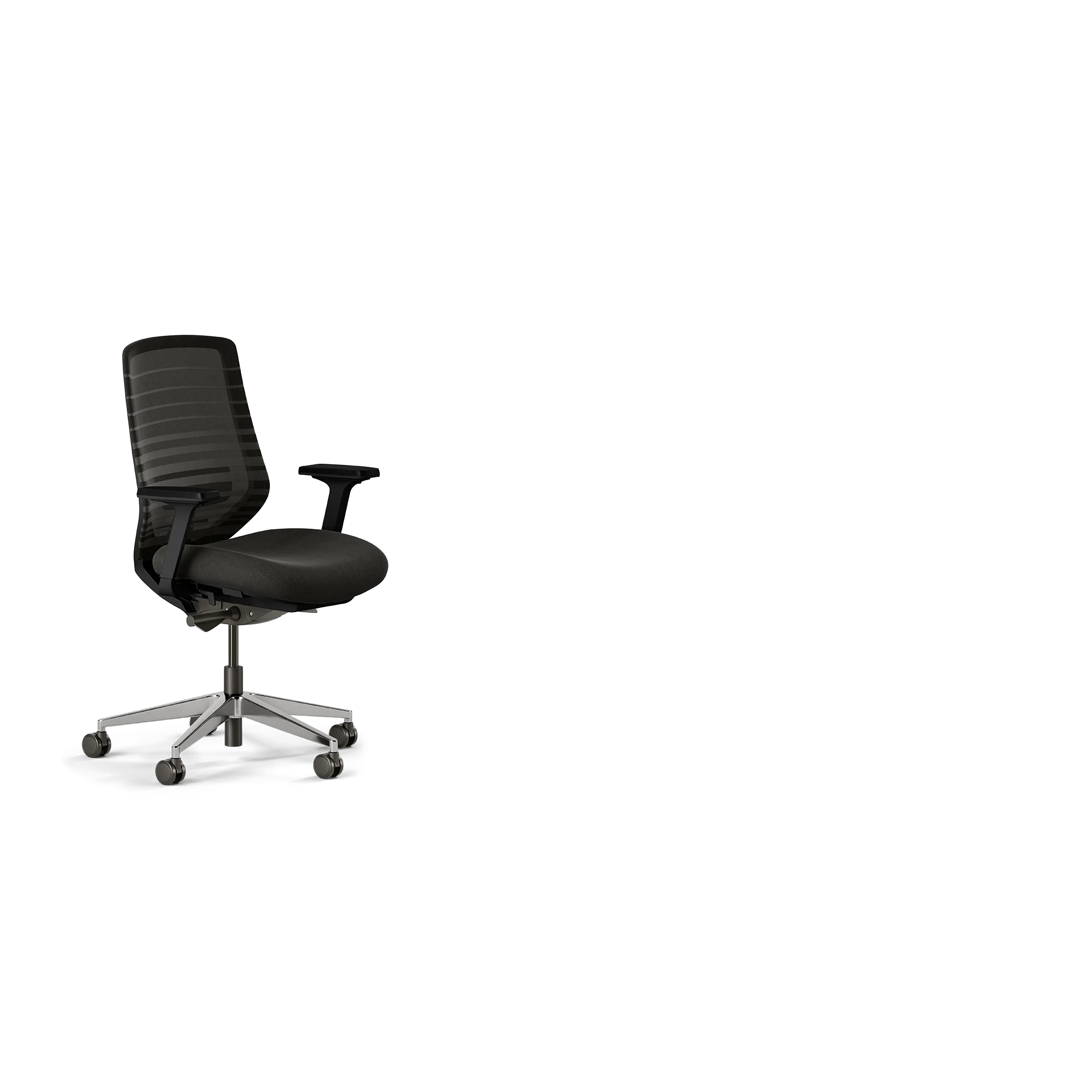
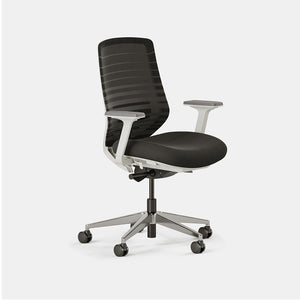
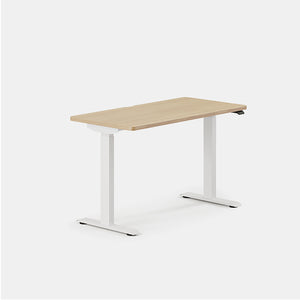
Invest in chairs with lumbar support and adjustable features, allowing employees to customize their seating to their body types. Height-adjustable desks offer the flexibility to switch between sitting and standing, which promotes movement and reduces the risks associated with prolonged sitting.
Also, consider creating relaxation areas where employees can take breaks, practice mindfulness, or engage in light physical activity. These spaces can help reduce stress, increase focus, and boost overall job satisfaction.
7. Maximizing Natural Light and Air Quality
Maximizing natural light and air quality in the office is another way to enhance employee well-being and productivity in a modern office. Large windows and glass partitions allow sunlight to permeate the workspace, reducing the need for artificial lighting and creating a more inviting atmosphere. You can also position workstations near windows to maximize exposure to natural light which can improve your teams’ mood and focus.
Ensure proper ventilation by using high-quality air filters and maintaining HVAC systems regularly. Fresh air circulation prevents stuffiness and reduces the risk of respiratory issues, contributing to a healthier work environment.
Also, consider incorporating skylights or light tubes in areas without windows to bring in additional natural light. A well-lit, well-ventilated office space can significantly boost employee satisfaction and overall productivity.
8. Personalization and Branding
Personalization and branding in office design create a sense of identity and pride among employees. Incorporate the company’s colors, logos, and mission statements into the decor to reinforce the brand’s presence. This improves the aesthetic appeal and contributes to a cohesive company culture.
Along with overall office personalization, allow employees to personalize their workspaces with items that reflect their personalities, such as photos, plants, or artwork. This can make the workspace feel more comfortable and inviting.
Design common areas and breakout spaces to reflect the company’s values and ethos. Use branded signage and artwork to create an environment that resonates with the team. You may also want to consider incorporating interactive elements, like digital screens displaying company achievements and updates, to keep employees engaged and informed.
Creating a Modern Office Environment
Designing a modern office involves a balance of functionality, aesthetics, and well-being. You can create a productive and positive atmosphere by embracing minimalism, incorporating natural elements, and creating flexible, tech-savvy workspaces.
Prioritizing ergonomics, maximizing natural light, and ensuring good air quality contributes to a healthier workplace. Personalization and branding add a distinct touch, reinforcing company culture and employee pride.
Implementing these design ideas can transform your office into a space where creativity, collaboration, and efficiency are the name of the game.
Sources:
How does office design impact productivity? | BritishAmerican Business
Effects of indoor plants on office workers: a field study in multiple Dutch organizations | NIH
Contents

Need help designing?
Take our quiz for personal recommendations on the right Branch products for your workday.Subscribe and save
Get access to exclusive content, be the first to hear about new launches, and unlock a special discount when you subscribe to our email list.